Resin Medicines: Frankincense & Myrrh
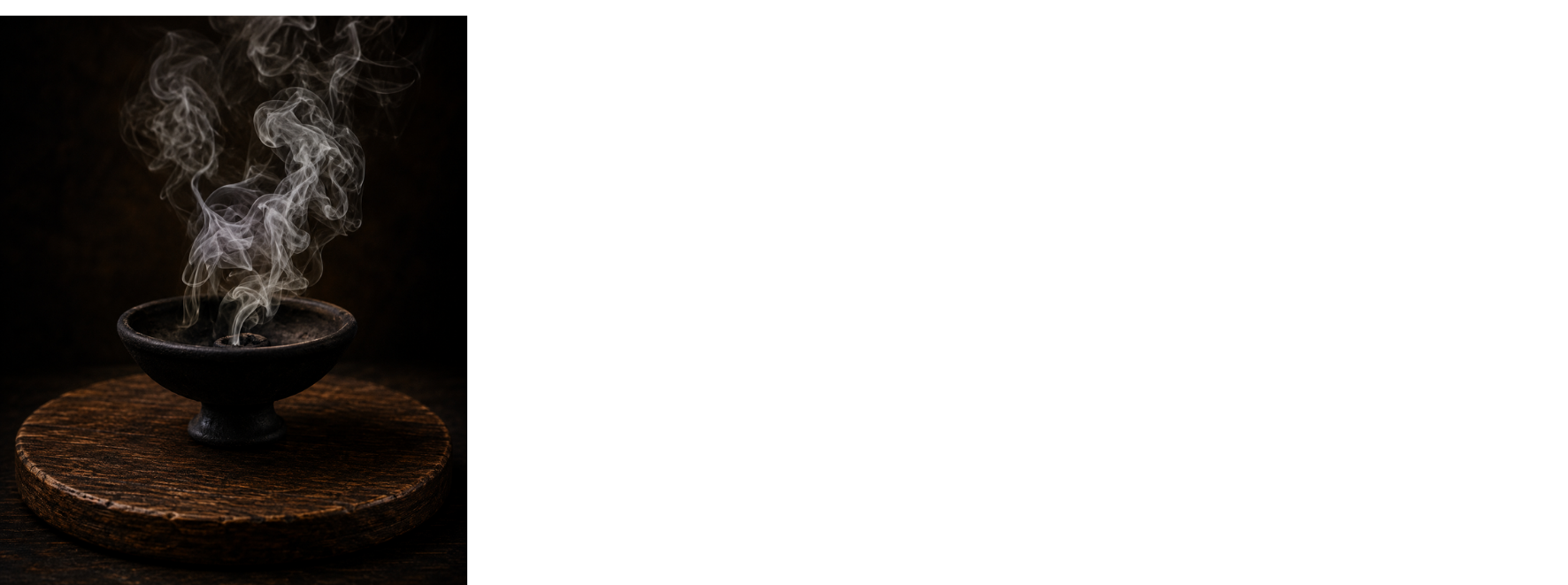
Ancient Plant Medicines of the Desert
Long before modern herbal medicine, resins were some of the most valued plant medicines in the world. Among the most famous of these are frankincense and myrrh, two aromatic resins that have been traded, burned, infused, and used medicinally for thousands of years.
These resins were once more valuable than gold in parts of the ancient world. They travelled along the incense trade routes through Arabia, Africa, and India, and were used in medicine, perfumery, ritual, and preservation.
Today these ancient resin medicines are still used in herbalism, natural medicine, and traditional healing practices.
What Are Resin Medicines?
Resins are thick, aromatic substances produced by certain trees when their bark is cut or damaged. The tree produces resin as a protective mechanism, sealing wounds and protecting against insects, fungi, and infection.
In herbal medicine, resins are often used because they contain compounds that are:
antimicrobial
anti-inflammatory
antioxidant
immune supportive
wound healing
respiratory supportive
Resins are typically prepared as:
tinctures
oils
salves
incense
steam inhalations
syrups
chewing resins
Frankincense
Frankincense comes from trees in the Boswellia genus, which grow in dry regions of the Middle East, India, and Africa.
Frankincense has been used traditionally for:
inflammation
joint pain
respiratory conditions
immune support
digestive issues
wound healing
incense and ritual use
meditation and nervous system calming
Modern research has also studied frankincense for its anti-inflammatory compounds known as boswellic acids.
Frankincense is often considered both a physical medicine and a ritual medicine, used historically in temples, ceremonies, and sacred spaces.
Myrrh
Myrrh comes from trees in the Commiphora genus and has also been used for thousands of years in medicine and perfumery.
Traditionally, myrrh has been used for:
wound healing
infections
oral health
sore throat
respiratory conditions
digestive support
skin conditions
inflammation
Myrrh is strongly antimicrobial and was historically used in wound care and preservation.
It is often considered more grounding, bitter, and medicinal compared to the brighter, more aromatic frankincense.
Why Resins Are Unique Herbal Medicines
Resins are quite different from leaves and flowers used in herbal medicine. They are concentrated substances produced by trees that often grow in harsh environments such as deserts and dry mountains.
Because of this, resin medicines are often:
concentrated
antimicrobial
preservative
protective
anti-inflammatory
slow acting but deep working
Resins were historically used to preserve bodies, preserve medicine, disinfect spaces, and treat wounds, which shows how powerful they were considered in traditional medicine.
Resin Preparations
Resins can be prepared in several different ways depending on how they will be used.
Common preparations include:
Tinctures - Alcohol extracts used internally or externally. Oil infusions - Used for skin, massage, or ritual oils. Salves - For wounds, skin, and inflammation. Incense - Burned for aromatic and atmospheric effects. Steam inhalations - For respiratory support. Syrups - For throat and respiratory support.
Because resins contain both alcohol-soluble and oil-soluble compounds, they are very versatile medicines.
Resin Medicines in Modern Herbalism
Although resin medicines are some of the oldest medicines known to humans, they are still very relevant today.
Frankincense and myrrh are commonly used in herbal medicine to support:
inflammation
immune system
respiratory system
skin healing
oral health
digestion
nervous system calming
meditation and ritual
They are some of the few herbal medicines that have been used continuously for thousands of years.
Ancient Medicines in a Modern World
Working with resin medicines connects us to a very old tradition of plant medicine. These resins were used in ancient Egypt, Greece, Rome, India, and across the Middle East and Africa.
They were used in temples, in medicine, in perfumery, and in daily life.
Today, we can still work with these same plant resins, continuing a long tradition of herbal medicine that has changed very little over time.
