Cosmic Influences on Plants
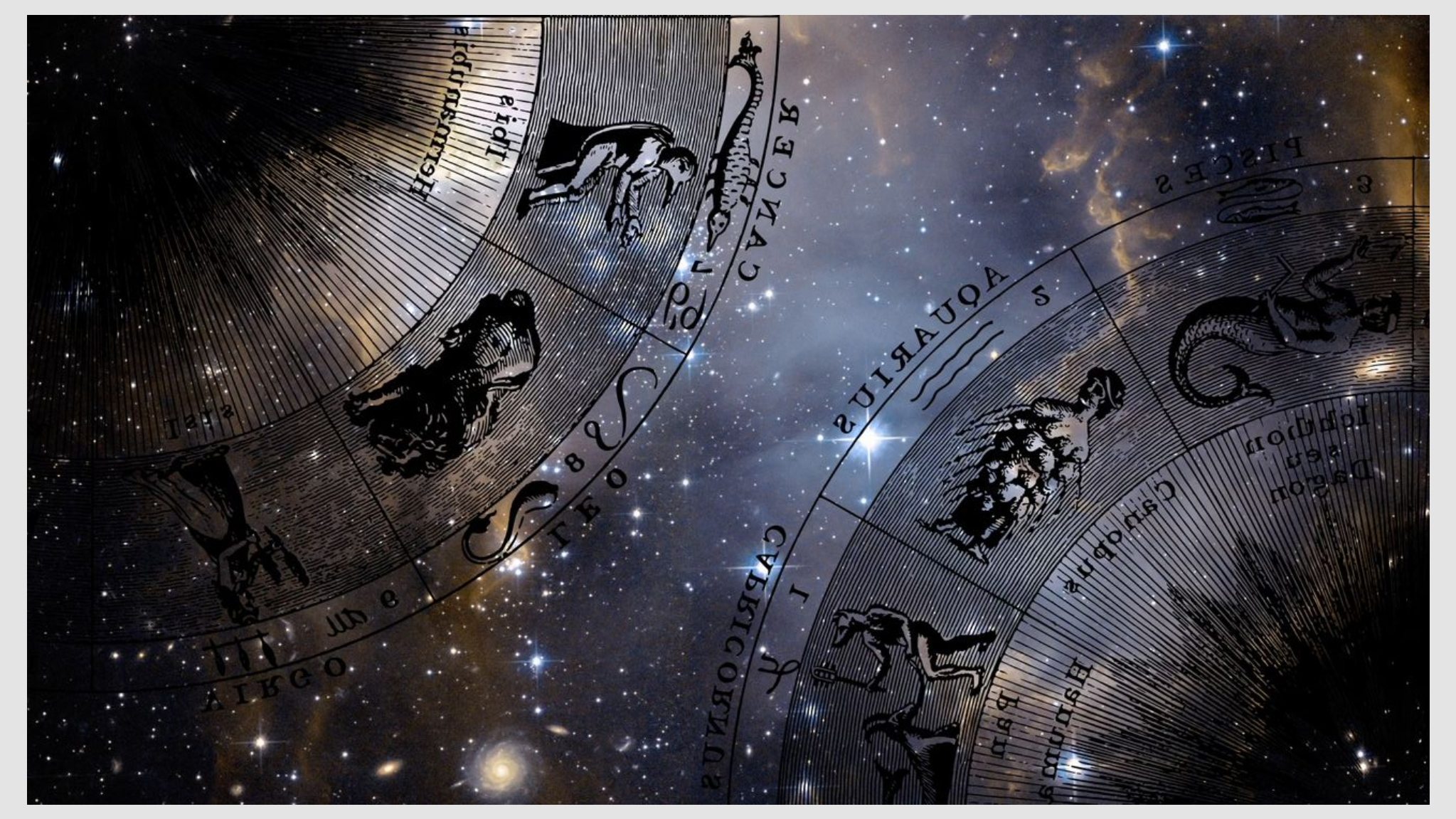
The Hidden Relationship Between Herbs and the Cosmos
Every herb grows within a living environment shaped by sunlight, lunar cycles, seasonal rhythms, soil, water, and the wider movements of the cosmos. Long before modern agriculture, herbalists and alchemists observed that plants seemed to carry distinct energetic signatures, patterns that echoed the forces shaping the natural world.
The Ancient Observation of Planetary Herbalism
The idea that plants reflect cosmic forces appears across many historical traditions.
European alchemists and physicians, including Paracelsus, taught that plants could be understood through their relationship with the planets. Similar ideas appear in Ayurvedic medicine, traditional Chinese medicine, and various indigenous plant traditions.
These systems did not treat astrology as fortune telling. Instead, it was used as a way of understanding patterns within nature.
Planets were seen as symbolic representations of universal forces:
vitality
movement
growth
structure
emotion
transformation
Plants were believed to embody these same forces in their form, behaviour, and physical effects.
How Cosmic Rhythms Shape Plant Life
The most obvious cosmic influence on plant life is the Sun.
Sunlight drives photosynthesis, regulates seasonal cycles, and ultimately powers nearly all life on Earth. Without the Sun, plants could not grow.
The Moon also plays an important role. Lunar cycles influence tides, moisture levels, and the rhythms of growth and rest within many plants. Gardeners and farmers have long planted and harvested according to lunar phases.
Beyond these visible influences, Traditional Herbalism also explored the symbolic relationships between plants and the classical planets.
These correspondences were often determined through careful observation of a plant’s characteristics:
the shape of its leaves
its colour and scent
the environment it prefers
the parts of the body it supports
the emotional or psychological effects it produces
Through these observations, herbalists began to group plants according to planetary archetypes.
Understanding Planetary Archetypes in Herbalism
In traditional herbal astrology, each planet represents a particular pattern of energy within nature and within the human body.
Some examples include:
Sun herbs Often associated with vitality, circulation, and warmth.
Moon herbs Linked with fluid balance, emotional states, and nervous system regulation.
Mars herbs Stimulating, warming, and associated with action or movement.
Venus herbs Often connected with beauty, nourishment, and emotional harmony.
These categories help provided an additional way of understanding the deeper pattern of a plant’s action.
A Language for Understanding Plant Intelligence
This approach to herbalism offers a symbolic framework for understanding plants beyond their chemistry.
Two herbs might contain similar compounds, yet produce very different experiences in the body. Traditional herbalists often used planetary correspondences as a way to explain these differences.
A stimulating herb that increases circulation, heat, and movement might be considered Martian in nature.
A calming herb that nourishes the heart and emotional body might be considered Venusian.
Over time, these patterns formed a language that helped herbalists understand the physical actions of plants, as well as their emotional and psychological effects.
A Living Tradition
At Wild & Holy, we explore these traditional relationships between plants, alchemy, and planetary archetypes as part of our spagyric herbal practice.
Each plant carries its own pattern of growth, rhythm, and expression.
